

CT Scanning
At Laser Scanning, we offer high-resolution CT scanning to capture the full internal and external geometry of your parts. This non-destructive technology allows us to view and analyse components in 3D, providing detailed insights into complex structures without the need for disassembly. Whether you’re inspecting intricate internal features or performing quality assurance, our CT scanning service offers unparalleled accuracy and efficiency.
What is CT Scanning?
CT scanning (or Computed Tomography scanning) is a non-invasive technique that uses X-rays to create detailed cross-sectional images of an object. By capturing multiple 2D images from various angles, these images are then reconstructed into a 3D model. CT scanning is ideal for inspecting complex parts, allowing for precise analysis of internal features, geometries, and material properties without damaging the component.
Key Benefits.
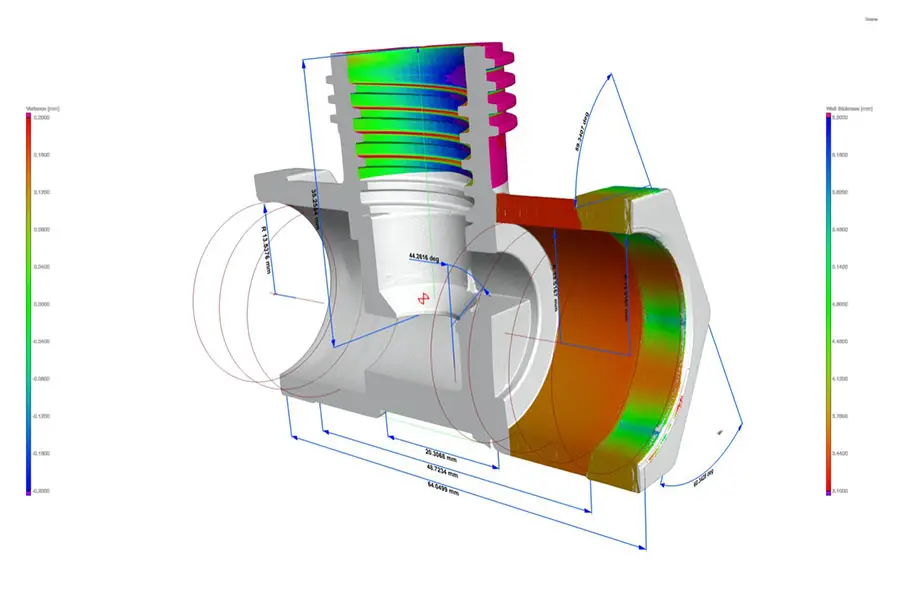
Complete Internal and External Data Capture: Unlike laser scanning, which captures only the external surface geometry, CT scanning provides a full 3D representation, including internal structures. This makes it invaluable for inspecting hidden features without disassembling the part.
Non-Destructive Inspection: CT scanning is non-destructive, allowing for detailed internal inspections without damaging or altering the part, which is especially critical for delicate or valuable items.
Multi-Material Inspection: CT scanning can differentiate between multiple materials within a single object, making it suitable for complex assemblies where different materials are used.
High Precision and Accuracy: CT scanning offers high resolution and accuracy, capable of detecting minute internal defects like cracks, voids, and porosity, which might not be visible through other methods.
Cross-Sectional Imaging: The technology allows for creating cross-sectional slices of the object, enabling detailed analysis of internal layers and features that are otherwise inaccessible.
Comprehensive Defect Analysis: CT scanning can identify a wide range of defects, including dimensional deviations, misalignments, material inhomogeneities, and structural weaknesses.
Quantitative Data: It provides quantitative data on density variations, material distribution, and void content, which is crucial for material analysis and quality assurance.
Versatility Across Industries: CT scanning is versatile and used across various industries, including aerospace, automotive, medical, and electronics, where detailed internal inspections are crucial for safety and performance.
Applications.
- Aerospace & Automotive: Inspecting engine components, turbine blades, and other critical parts for internal defects, cracks, or material inconsistencies.
- Medical Devices: Analyzing medical parts or implants, ensuring they meet strict quality standards and are free from internal defects.
- Electronics & Microelectronics: Checking PCBs, circuit boards, and microelectronic components for hidden faults, soldering issues, or assembly problems.
- Manufacturing & R&D: Used in prototyping and research and development to analyze complex parts that require accurate measurements and internal structure verification.
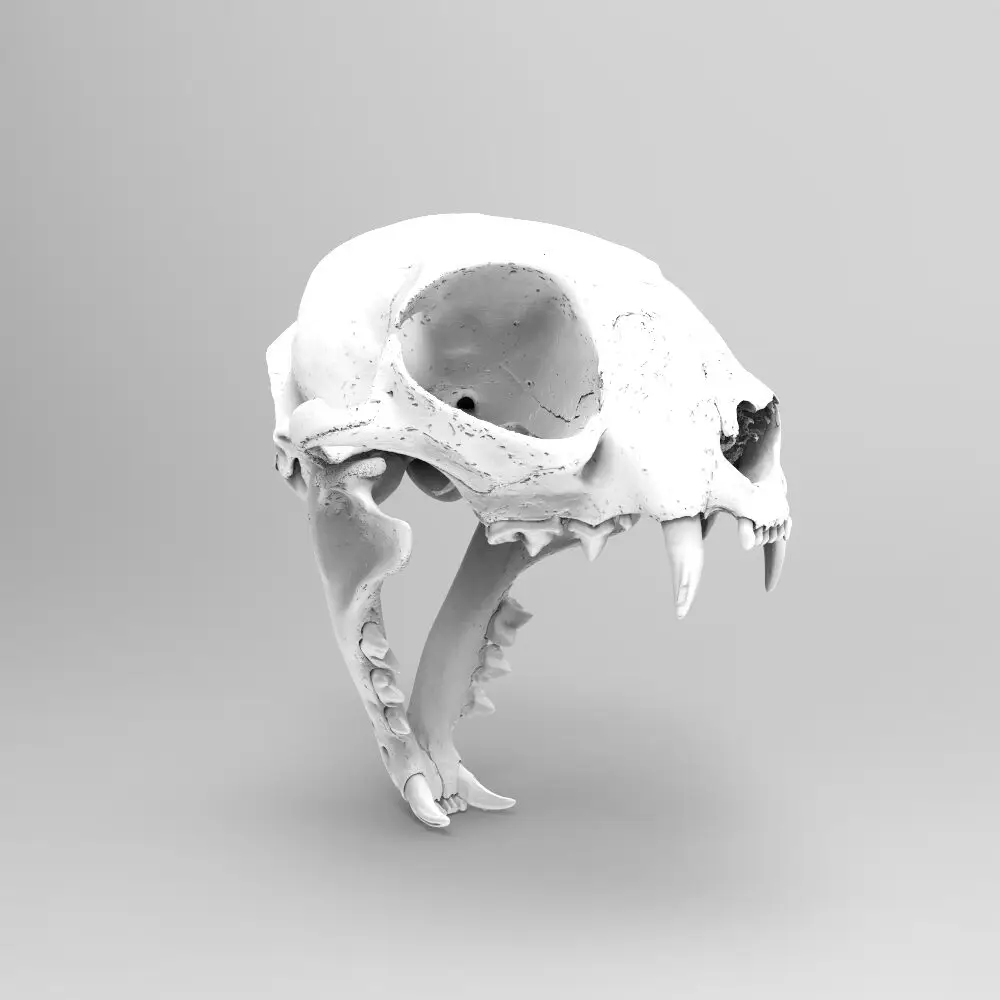
- Archaeology & Heritage Preservation: Non-destructive analysis of historical artifacts, fossils, and other sensitive items.
Why Choose Us for CT Scanning?
- State-of-the-Art Technology: We utilize cutting-edge CT scanning equipment to ensure that every scan is as detailed and accurate as possible.
- Experienced Team: Our team of experts has extensive experience with CT scanning, reverse engineering, and quality inspection to ensure you get the highest quality results.
- Fast Turnaround: We understand the importance of timely results, so we work efficiently to provide you with accurate scan data as quickly as possible.
- Custom Solutions: No project is too complex. We tailor our CT scanning services to meet your specific needs, ensuring the best results for your unique project.
How CT Scanning Works
- Initial Consultation: Discuss your project needs and specifications with our team. We’ll assess the best scanning approach and determine the scan resolution required.
- Scanning: We place your part in the CT scanner, where it’s subjected to a series of X-rays. The scanner captures detailed images from different angles to create the 3D data.
- Data Processing: After scanning, our team processes the data to generate a 3D model that can be used for inspection, analysis, or reverse engineering.
- Deliverables: Depending on your project requirements, we’ll deliver the scan data in the required format, such as STL, OBJ, or CAD formats, ready for your analysis or modification.
Let's start your project today.
Our team is ready to listen to your requirements, ask the right questions, and provide solutions that fit both your expectations and budget. Let’s bring your project to life quickly and efficiently.